
Switzerland / More than 267,000 people on welfare in Switzerland; the number of single-parent families continues to rise
Some 267,300 people received economic assistance in Switzerland in 2025. An increasing number of single-parent families are turning to this assistance.
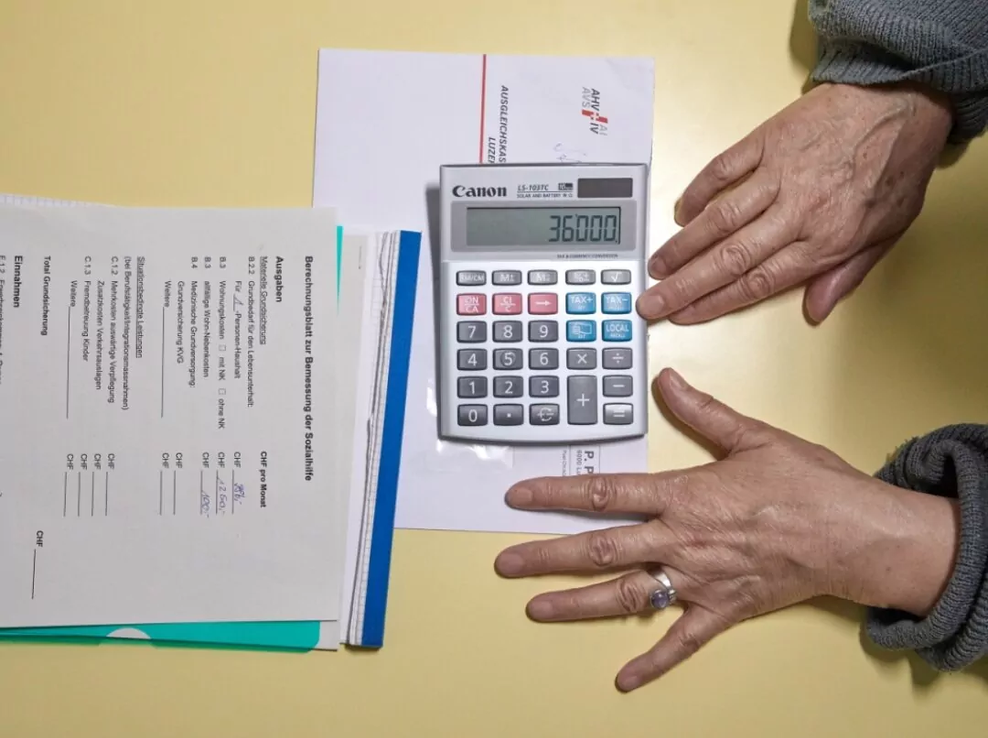
The use of social assistance remains stable in Swiss cities. However, an increasing number of single-parent families are relying on it. And with them, their children: nearly six out of ten minors are affected, compared to 52% in 2010.
These are the findings of the 2025 analysis by the Cities’ Initiative for Social Policy, published on Tuesday. A total of 20 municipalities participated in this survey.
Everywhere, the risk of poverty is significantly higher for single-parent families than for other types of households, the report notes. In many cases, social assistance provides essential support to supplement an income that is insufficient to meet a family’s needs.
To help single parents move off social assistance, cities are relying on targeted measures such as training, flexible childcare options, and supplemental family benefits.
Less Dependent on Social Assistance
In the canton of Vaud, this combined assistance program has been in place since 2011. Lausanne and Yverdon-les-Bains have thus observed that single-parent families rely less on social assistance or need it for a shorter period of time. These measures strengthen the independence of single parents and open up new opportunities for their children.
Emilie Moeschler, Lausanne’s councilor for sports and social cohesion, advocates for their implementation nationwide. In Biel, the city collaborates with a specialized information and counseling center that helps women—particularly single mothers—return to the workforce. Other effective measures exist in Swiss cities.
Strengthening Training
Nevertheless, social services view the lack of training and qualification opportunities as one of the main weaknesses in the support provided to single parents receiving social assistance. Training remains the most effective way to move off social assistance, but it is also the hardest for these individuals to access.
In 2025, the social assistance rate averaged 3.9% across the fourteen reference cities, down 0.2 percentage points from the previous year.
In most cities, about a quarter or more of single-parent households with minor children receive social assistance. The risk is nearly five times higher than for households as a whole. About six out of ten minors receiving social assistance lived in a single-parent family, an increase from 52% to 59% since 2010.
Source: www.lenouvelliste.ch/