
Burkina Faso/World Humanitarian Day 2026: 120 saplings planted in Tanghin
To mark World Humanitarian Day, celebrated every August 19, the humanitarian community in Burkina Faso, in collaboration with the Ministry of Solidarity, organized a reforestation day at the Tanghin vegetable farm. The initiative resulted in the planting of 120 fruit and medicinal plants. Beyond its environmental impact, this activity is intended as a symbol of solidarity and resilience in the face of the many challenges confronting local communities.
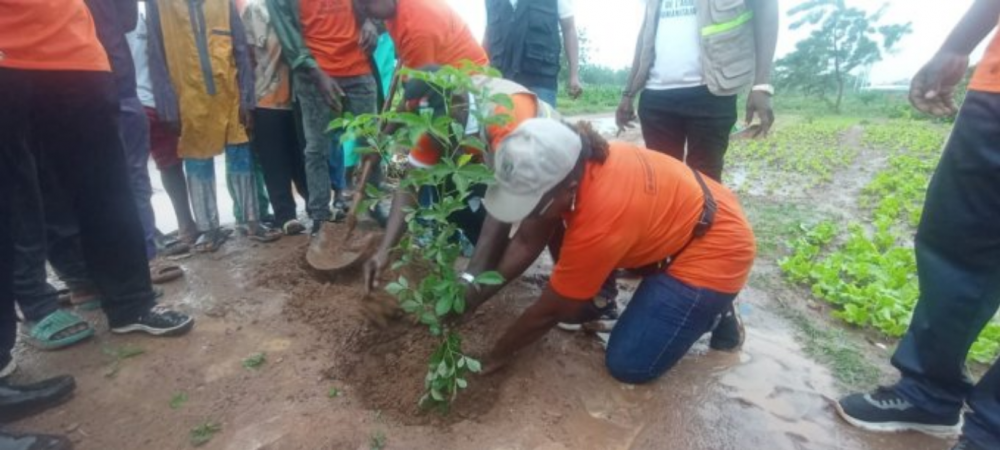
Speaking at the event, Ernest Mushekuru, the representative of the United Nations Resident Coordinator and Humanitarian Coordinator in Burkina Faso, highlighted the significance of this initiative. In his view, humanitarian action should not be limited to responding to emergencies. “By planting these trees, we are taking a simple yet deeply meaningful step. Just like humanitarian action, a tree requires attention, time, perseverance, and a collective commitment to grow and bear fruit. It represents hope, resilience, and our confidence in the future,” he said. He added that this initiative underscores the importance of the link between humanitarian action, recovery, and development.
“Today’s initiative also reflects a shared conviction: no single actor can, on its own, address all the humanitarian challenges we face. The results we achieve are the fruit of strong partnerships, mutual trust, and complementary efforts. On this World Humanitarian Day, let us therefore renew our commitment to continue working alongside affected communities so that they can not only cope with current difficulties but also build a more resilient, sustainable, and prosperous future,” emphasized Mr. Mushekuru. He concluded by paying tribute to frontline workers—including social workers, national NGOs, community organizations, local leaders, and volunteers—for the work they do to assist vulnerable people.
For Commander Michael Nitiema, representative of the Minister of Solidarity, in a country like Burkina Faso—which faces the effects of climate change and the degradation of ecosystems—the tree symbolizes life, resilience, and the ability to prepare for the future. “Planting a tree means taking action today to protect tomorrow. Our humanitarian efforts must look beyond the immediate crisis. They must help restore livelihoods, protect communities, preserve resources, and create the conditions for sustainable recovery. Our collective responsibility now is to go further by ensuring that every intervention gradually helps make populations stronger, more self-reliant, and better prepared to face future crises,” he emphasized.
He reiterated the government’s gratitude to all humanitarian actors who support the government’s efforts to assist affected populations. He urged them to continue their efforts in accordance with national priorities and in line with the government’s vision.
Salamata Koanda, a beneficiary at the site, can already see the benefits these trees will bring in the coming years. “In two years, thanks to these trees, we’ll have shade at our site. That will let us rest there and enjoy the fresh air,” she explains. She is also delighted by the presence of fruit trees. These should provide fruit for the farmers and their families, especially the children. For her, reforestation is therefore both an environmental initiative and an opportunity to improve the quality of life for those who visit the site daily.
Through this initiative, the humanitarian community aims to underscore that solidarity is not limited to providing assistance during times of crisis. It also involves protecting the environment, building community capacity, and developing sustainable solutions for future generations.
Source:://lefaso.net/