Congo / International Day of Indigenous Peoples: Congo Commends the Work of Indigenous Midwives
On the occasion of the celebration on August 9 of the International Day of the World’s Indigenous Peoples, the Congolese government, through the Minister of Justice, Human Rights, and the Promotion of Indigenous Peoples, Aimé Ange Wilfrid Bininga, issued a statement in which it highlighted the importance of this year’s theme chosen by the United Nations: “Honoring Indigenous Midwives: Preserving Life and Well-Being.”
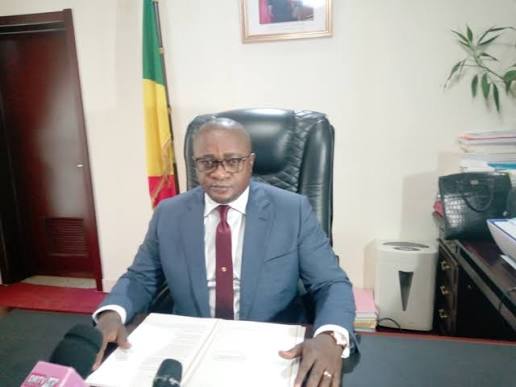
Through this chosen theme, Minister Ange Aimé Wilfrid Bininga stated, the United Nations is paying a well-deserved tribute to Indigenous midwives who, far more than mere health care providers, have remained, for generations, true guardians of life.
“As custodians of knowledge passed down from generation to generation, indigenous midwives support women before, during, and after childbirth. Through their art of welcoming life, they embody resilience and strength in the face of life’s trials. They combine traditional practices with resources from the local pharmacopoeia to ensure the protection of both mother and child,” he added.
“Their mission goes far beyond the act of giving birth,” he continued, before adding: “They preserve women’s dignity, support families during one of the most important moments of their lives, and ensure the transmission of knowledge that is integral to the identity of Indigenous peoples. By caring for the mother and child, they also help preserve the memory, culture, and future of their communities.”
Thus, the speaker noted, the government pays particular attention to promoting and protecting the rights of the Indigenous population. This political commitment, he explained, is reflected in the implementation of numerous initiatives, including the integration of the Indigenous population into policies on social inclusion, biodiversity conservation, and the fight against climate change; the recruitment of Indigenous youth into the civil service and law enforcement; improved access to health services for Indigenous people; increased enrollment of Indigenous children in school; and the organization of mobile campaigns to issue civil registration documents for this population.
Furthermore, Ange Aimé Wilfrid Bininga stated that, despite the encouraging progress made, the government remains fully committed to continuing the reforms it has undertaken and strengthening public policies in support of inclusive development that leaves no citizen behind. To this end, he indicated that particular emphasis is being placed specifically on the areas of health; education; justice; and access to land rights; as well as civil and political rights.
“By joining forces, we will build a more just, inclusive, and united society, in which the indigenous population can fully exercise its rights, preserve its cultural identity, and contribute, alongside all other citizens, to the development of our nation,” he concluded.
Source: www.adiac-congo.com/