Canada/The City of Terrasse-Vaudreuil Recognizes the Rights of Trees
The small town of Terrasse-Vaudreuil, west of Montreal, has decided to officially recognize trees as living beings with their own rights.
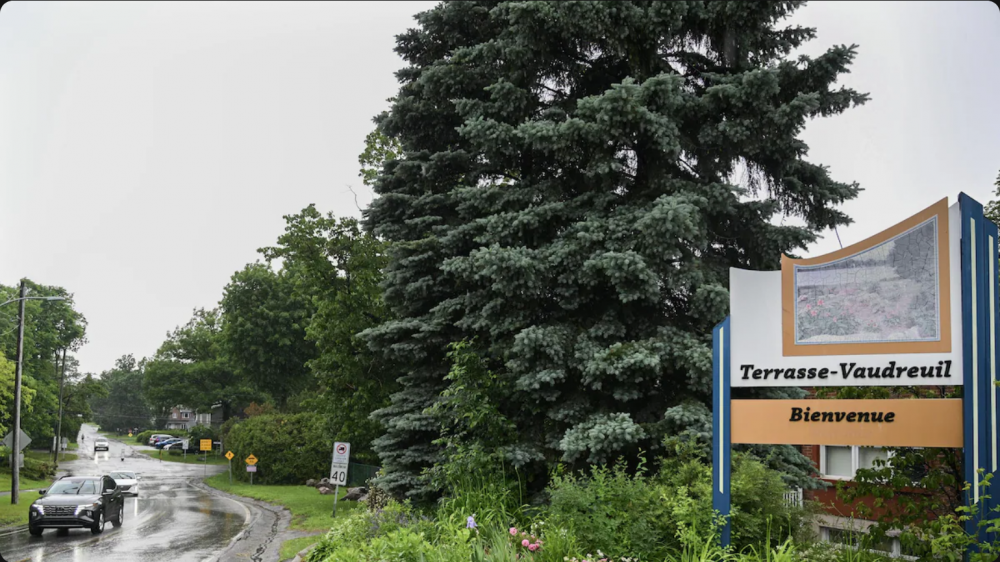
The resolution adopted on June 9 by the city council states that trees deserve to be protected and have the right to live, grow, and regenerate.
Mayor Michel Bourdeau explains that the municipality was inspired to take action by a film by Quebec filmmaker André Desrochers.
He says that the film *Des arbres et des arts* convinced the public that trees are living beings that breathe and communicate with one another, just like humans.
“A tree is like a human being,” says Mr. Bourdeau. “It breathes. It lives. It needs water. It protects us from all kinds of things.”
The president of the International Observatory for the Rights of Nature, Yenny Vega Cardenas, explains that Terrasse-Vaudreuil, with a population of approximately 2,000, has become the first municipality in Quebec and Canada to officially adhere to the Universal Declaration of the Rights of the Tree.
Its three fundamental articles stipulate that trees are living beings and a common good of humanity, that life on Earth depends on their existence, and that humans must act toward them in a spirit of fraternity and solidarity.
Green Infrastructure
Mr. Bourdeau explains that this new resolution means the city will review its bylaws to ensure that trees are protected or replaced if they must be cut down. He also plans to implement measures to increase tree cover, including providing trees to residents so they can plant them.
[Trees] constitute true green infrastructure, he emphasizes. They help reduce heat islands, improve air quality, manage stormwater, and protect biodiversity.
The mayor notes that this initiative was unanimously approved by city council members and appears to have been well received by residents as well. He also does not expect it to hinder development, although this is partly because the city no longer has any vacant land available for construction.
He believes his city is naturally destined to become an ambassador for trees. It is nestled in the heart of the woods, and its residents enjoy a rural lifestyle. The population is also fully aware of the damage caused by extreme weather events and climate change, having endured three floods in recent years.
“When it comes to fighting climate change, our best allies are trees,” he says.
Yenny Vega Cardenas explains that the Declaration on the Rights of Trees is part of the same movement that has led countries around the world—from New Zealand to Colombia—to grant legal personhood to rivers and other natural areas.
In Quebec, the Minganie RCM and the Ekuanitshit Innu Council granted legal personhood to the Magpie River in 2021.
But for Ms. Vega Cardenas, this declaration on trees is particularly significant because it recognizes that a single tree constitutes a fully-fledged ecosystem, capable of providing shade, food, and habitat for other species.
We must understand that trees have dignity and that they possess senses. They do not have feelings, but they do have senses. They can sense and communicate with one another in a very specific way.
According to Karine Péloffy, an attorney at Ecojustice, Judge Terrasse-Vaudreuil’s decision is a very hopeful step forward for the broader movement in favor of the rights of nature. She adds that the idea was not as strange as it might seem at first glance.
“We know that corporations have legal personality and rights, even though they are certainly not alive,” she argues. “If non-living entities can have legal personality, what prevents living beings from also obtaining legal personality?”
In her view, there is no reason why trees cannot be granted legal status.
“What do trees do, if not stand upright?” she asks. “If anything has the capacity to act, it’s a tree.”
Source: ici.radio-canada.ca/